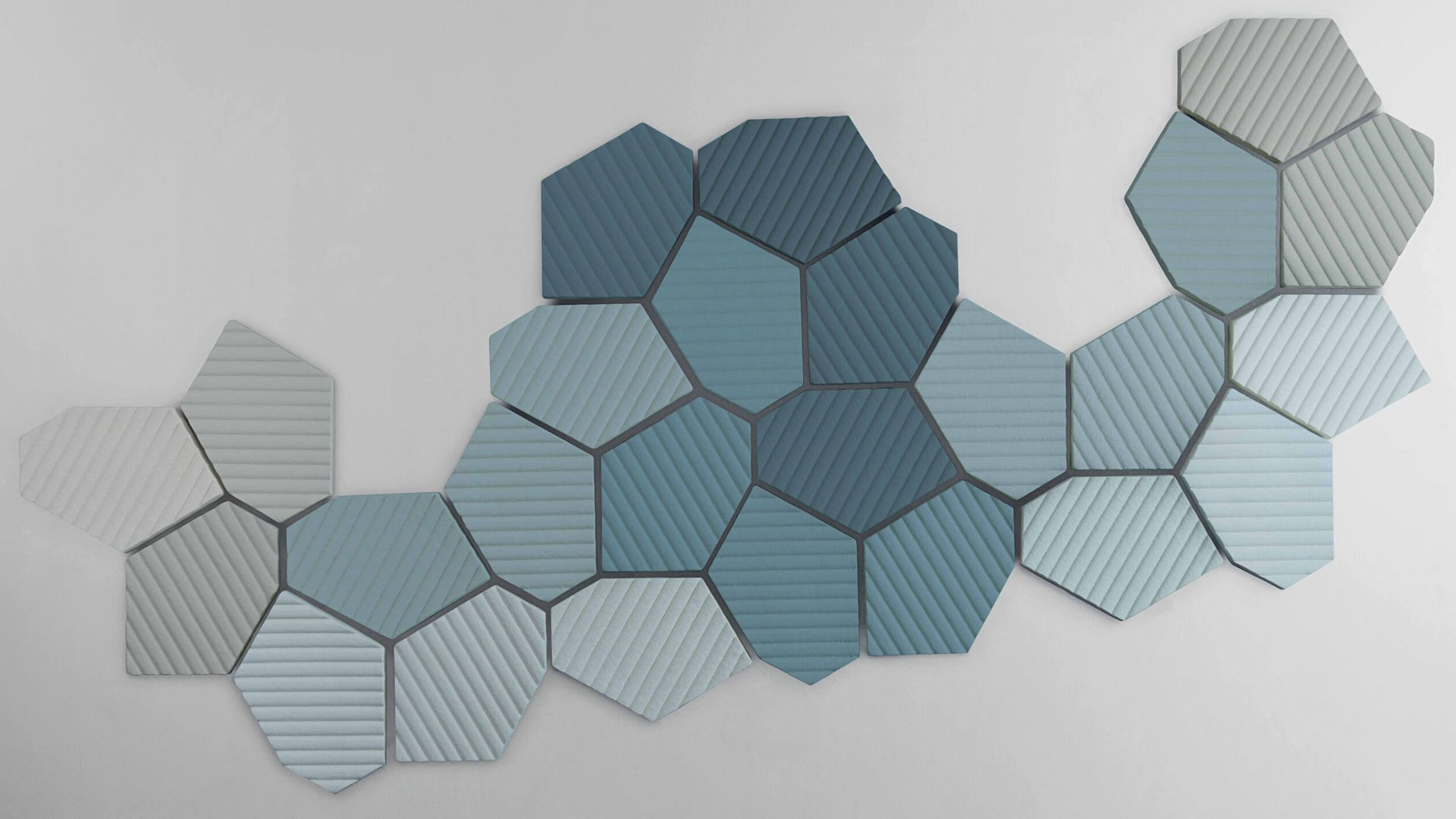
Mogu technology relies on partnering with fungal microorganisms and using their vegetative body - the mycelium - as a key ingredient to transform various types of residual substrates into functional, high-value products with advanced technical features and unique aesthetics.
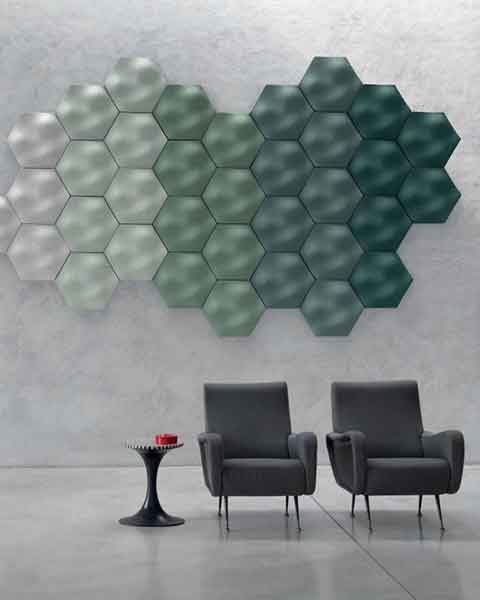
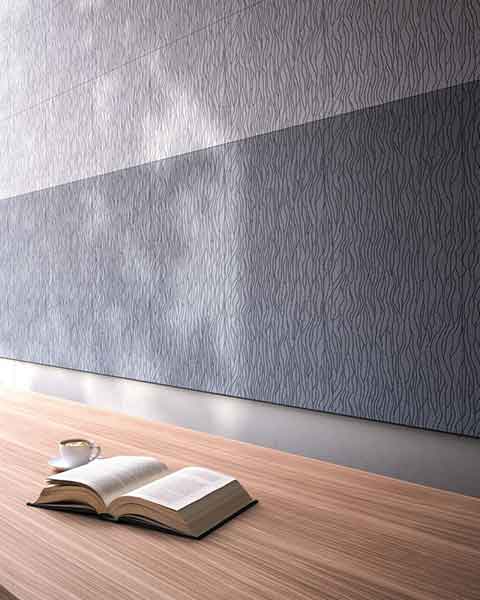
Mogu materials are obtained by growing mycelium on organic fibres, which are low-value residues from agro-industrial value chains. By growing selected fungal strains in different conditions and matrix configurations, structured compounds with specific properties can be engineered. The fungal mycelium reinforces the matrix structure, creating a 100% plastic-free and coherent material composite. These composites can be harvested in short time frames and with limited use of resources, resulting in innovative biomaterials that are 100% natural, stable, safe, biodegradable, beautiful and functional.
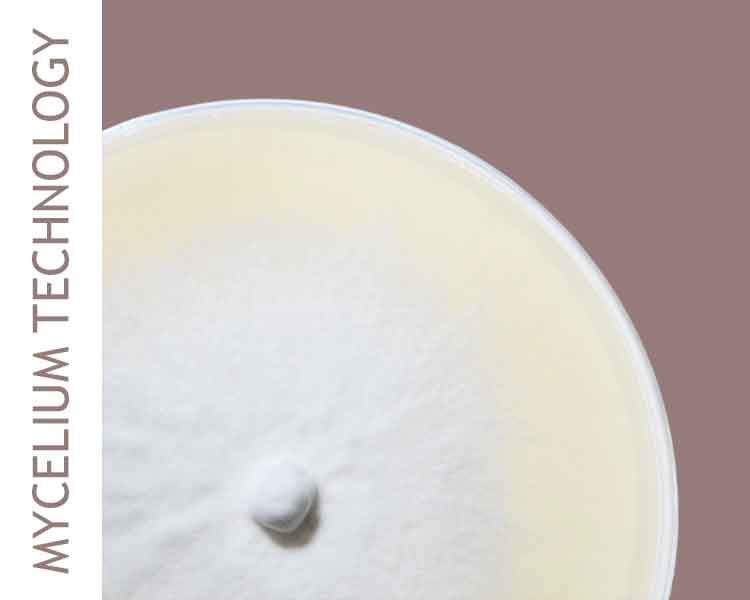
Let’s talk about mycelium. It’s similar to yeast but with some superpowers. Unlike yeast, which is made up of just one cell, mycelium is a team player and can create large structures. Not only that, but mycelium can also act like a tiny architect. As it grows, mycelium constructs a dense network of microscopic fibres, creating a superhighway system throughout the substrate.
It is important to note that ethical considerations are taken into account. Only non-GMO, non-allergenic fungal strains that do not release any spores during the production process are used. The mycelium chosen is a local wild mushroom that is not harmful to humans or the environment. It is not a sporulating mycelium, so there is no risk of uncontrollable spore spreading. The mycelium that is used is a basidiomycetous, which grows on wood and is not harmful to humans or other species.